
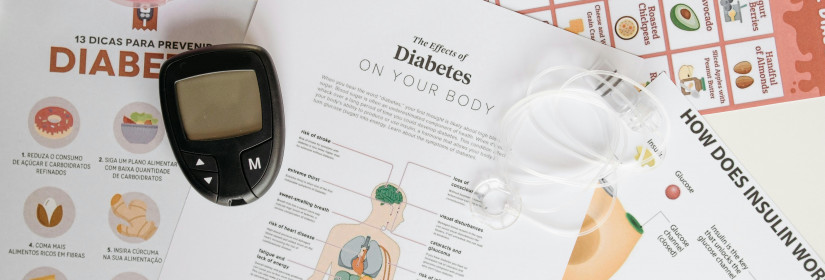
Diabetes is a health condition characterized by elevated levels of blood sugar, or glucose. It occurs when the pancreas does not produce sufficient insulin or when the body doesn't use insulin effectively.
Insulin is a hormone that acts like a key to allow glucose into cells for energy. Without enough insulin, glucose accumulates in the bloodstream, leading to high blood sugar. Over time, this can cause various health problems, including heart disease, nerve damage, and eye issues.
While diabetes is a lifelong condition, it can be managed with medication and lifestyle adjustments.
Sources of Glucose and Insulin's Role
Glucose, a type of sugar, mainly comes from carbohydrates in our diet. It's the primary energy source for our body's cells. Insulin from the pancreas helps glucose enter the cells.
Types of Diabetes
- Type 2 Diabetes: The most prevalent form, where the body doesn't make enough insulin or doesn't use it well.
- Prediabetes: Blood sugar levels are higher than normal but not high enough to be diagnosed as Type 2 diabetes.
- Type 1 Diabetes: An autoimmune condition where the body's immune system attacks insulin-producing cells in the pancreas.
- Gestational Diabetes: Occurs during pregnancy and usually resolves after giving birth but increases the risk of Type 2 diabetes later in life.
- Other Variants: Includes Type 3c diabetes caused by pancreatic damage, LADA, MODY, neonatal diabetes, and brittle diabetes, each with unique causes and characteristics.
Prevalence
In the United States, around 11% of the population, or 37.3 million people, are living with diabetes, with Type 2 being the most common. Globally, around 537 million adults have diabetes, a number expected to grow significantly.
Managing Diabetes for a Full Life
Living with diabetes doesn’t mean you can't enjoy a fulfilling life. With the right strategies and support, people with diabetes can manage their condition effectively.
Here are some steps to take control and ensure diabetes doesn't dominate your life:
Monitoring Blood Sugar
Regular monitoring of blood sugar levels is essential. It helps in making informed decisions about diet, physical activity, and medication.
Monitoring also helps in avoiding blood sugar that is too high (hyperglycemia) or too low (hypoglycemia), both of which can be dangerous.
Adopting a Healthy Diet
Food greatly influences blood sugar levels. A diet rich in fibers, like whole grains, and low in processed sugars and fats can help maintain steady glucose levels. Portion control and meal planning are also important.
Consulting with a registered dietitian who understands diabetes can provide personalized dietary advice.
Exercising Regularly
Physical activity is a key part of managing diabetes. It helps the body use insulin better and reduce blood glucose. Aim for a mix of aerobic exercises, like walking or cycling, and strength training.
It's crucial, especially for individuals on insulin or certain diabetes medications, to test blood sugar before and after exercise to prevent hypoglycemia.
Taking Medications Properly
For many with diabetes, taking medication is a daily reality. Adhering to the prescribed medication regimen, whether it's insulin injections or oral drugs, helps keep diabetes in check.
Always discuss any concerns or side effects with your healthcare provider.
Regular Health Checkups
Routine visits to your healthcare team are important for monitoring your condition. Regular checkups can help detect any potential complications early and keep your management plan on track.
Managing Stress
Stress can affect blood sugar levels, so finding healthy ways to manage stress, such as mindfulness, yoga, or hobbies, is beneficial.
Check Out: Mental Wellness: Techniques for Reducing Stress and Anxiety
Staying Educated
Knowledge is power. Stay informed about your condition, treatments, and the latest research. Education helps you make better health decisions and feel empowered to take care of your well-being.
Connecting with Others
Support from friends, family, and others with diabetes can be invaluable. Consider joining a diabetes support group, online community, or engaging in local events.
Sharing experiences and tips can make managing diabetes more manageable.
Emphasizing the Positive
It's important to remember that while diabetes does require attention and care, it doesn't define who you are. Many people with diabetes lead active, healthy, and fulfilling lives.
By taking charge of your health, staying informed, and connecting with a support network, you can successfully manage diabetes and prevent it from taking over your life.
With perseverance and positivity, you can achieve your goals and enjoy the journey.
-
Subscribe to our Weekly Newsletter and get instant access to new articles straight to your inbox!

Weekly newsletter
Cut through the clutter with our weekly roundup, highlighting the biggest news in finance, government benefits, housing, career, and more. Join the newsletter that respects your time and intelligence.
Stay Informed with the Latest in Health
From breakthrough medical research to wellness tips, be updated with the latest health trends and
advice.


Your Weekly Dose of Health, Directly to Your Inbox
Join our community of health enthusiasts by subscribing to our newsletter, and embark on a transformative journey towards achieving your optimal well-being.